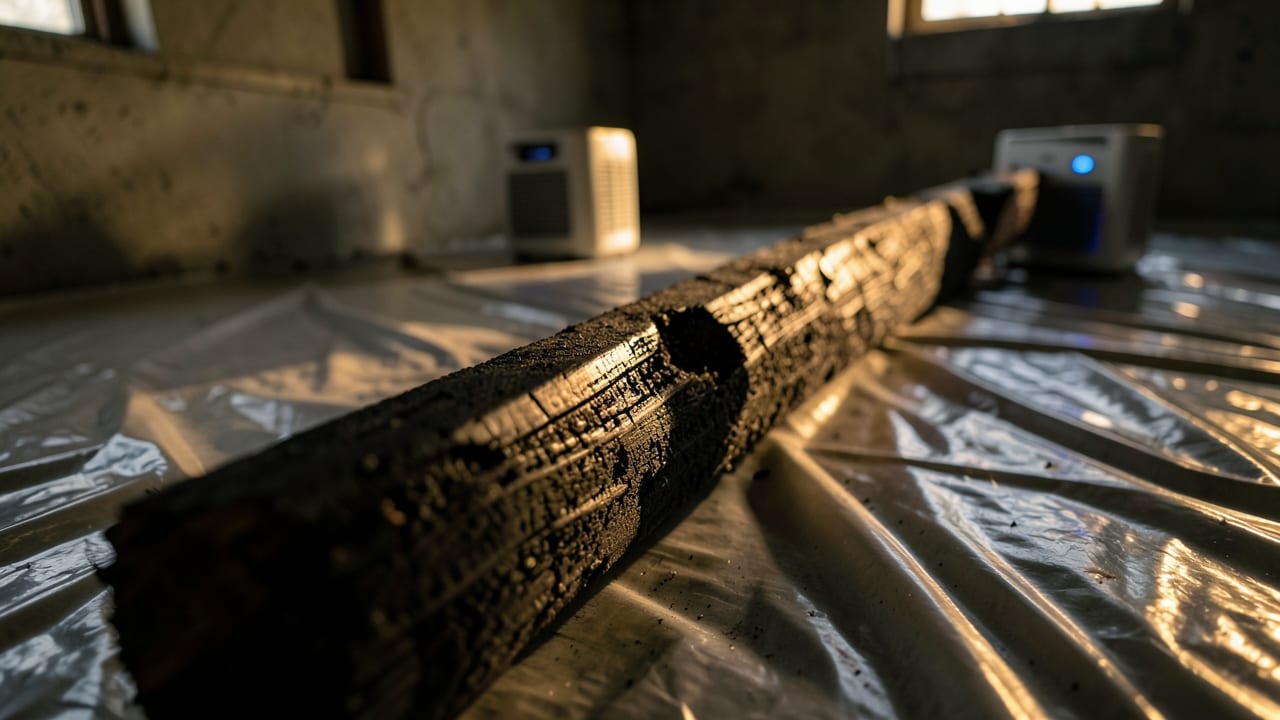
Fire Smoke Mold Remediation
Professional cleanup and restoration of fire, smoke, and mold damage in homes.
Fire, smoke, and mold remediation in Fort Lauderdale restores your home to a safe, healthy condition after damage from fires, water leaks, or humidity. The process involves sealing off affected areas, removing contaminated materials, deep-cleaning surfaces, and fixing moisture sources to prevent regrowth.
Florida law requires licensed professionals for mold remediation over 25 square feet or when hidden growth is suspected, ensuring proper containment and testing to protect your family’s health.
We also handle Hotel Mold Remediation and Gym Mold Remediation for Fort Lauderdale properties.
When to call for remediation
Mold growth covering more than a small patch, recurring after cleaning, or hidden behind walls or under flooring signals it’s time for professional help. In Florida, any mold affecting over 25 contiguous square feet requires a licensed remediator.
Fire and smoke damage also demand specialized cleaning to remove soot, eliminate odors, and sanitize surfaces without spreading contaminants.
Musty smells that worsen when your HVAC runs or return after cleaning often mean hidden mold in ductwork or structural materials. Stagnant, damp areas like windowless bathrooms or basements also need attention—stagnant air and moisture create ideal conditions for regrowth.
Signs You Need Professional Remediation
- Mold covering more than 25 square feet (Florida’s legal threshold for professional work)
- Recurring mold growth in the same spot after cleaning
- Musty odors with no visible mold, especially when HVAC is on
- Visible soot, smoke residue, or water damage from a fire or leak
- Hidden moisture sources (e.g., leaks behind walls, poor grading outside your home)
What affects cost and timeline
The size of the affected area, the type of materials damaged (e.g., drywall vs. tile), and whether hidden mold or structural drying is required all influence pricing.
Fire and smoke damage cleanup typically costs between $200 and $1,210 per room in Fort Lauderdale, while mold remediation pricing varies widely based on containment needs, labor, and post-treatment testing.
Containment, HEPA filtration, and clearance testing are often billed separately. A full remediation job—including moisture source fixes—may take days or weeks, depending on the scope. Skipping steps like drying framing or fixing leaks can lead to higher long-term costs if mold returns.
Florida’s mold licensing rules
Florida law prohibits the same company from both assessing and remediating mold on your property within 12 months. This rule prevents conflicts of interest, ensuring an unbiased evaluation before any work begins. Always verify a remediator’s license through the Florida Department of Business and Professional Regulation (DBPR).
For fire and smoke damage, no state license is required, but hiring a certified restoration technician (e.g., IICRC-certified) ensures proper cleanup and odor removal. Ask for proof of certification and a written scope of work before any demolition starts.
Florida law bars the same company from performing both mold assessment and remediation on your home within a year. Always hire separate entities for evaluation and cleanup to ensure unbiased, thorough work.
How fire, smoke, and mold remediation works
Professionals follow strict containment and safety protocols to remove contaminants and restore your home.
- 1Containment
Plastic sheeting and negative-air machines seal off the work area to prevent spores or soot from spreading to unaffected rooms. Doors and vents are blocked, and HEPA air scrubbers run continuously to capture airborne particles.
- 2Removal and Cleaning
Porous materials like drywall or carpet padding—absorbing mold or soot—are cut out and bagged. Non-porous surfaces (e.g., tile, metal framing) are scrubbed and treated with antimicrobial solutions. HEPA vacuums ensure no spores remain in the air.
- 3Structural Drying
Industrial dehumidifiers and air movers dry framing and subfloors to prevent mold regrowth. Moisture readings must return to normal before containment is removed.
- 4Clearance Testing
An independent lab tests air or surfaces post-remediation to confirm spore counts are back to safe levels. This step is critical to verify the job is complete.
- 5Moisture Source Fix
The root cause—leaks, poor grading, or humidity—must be addressed to stop future mold. A small dehumidifier or fan may be recommended for persistently damp rooms.
Frequently asked questions
How do I know if my mold problem is too big for DIY cleanup?
If mold covers more than 25 square feet, keeps returning after cleaning, or you smell it but can’t see it, hire a licensed remediator. Florida law requires professional help for these cases to ensure safe removal and prevent spread.
Will my insurance cover fire/smoke/mold damage?
Most homeowners’ insurance covers fire and smoke damage, but mold claims are often denied unless linked to a covered event (e.g., a burst pipe). Check your policy and document all damage with photos before filing. For mold, proof of a moisture source fix may be required.
How long does it take to remediate mold after a leak?
A small, contained mold job may take 1–3 days, while larger or hidden growth can require weeks. Drying framing and clearance testing add time. Ask for a written timeline during your quote to avoid surprises.
Can I stay in my home during remediation?
Yes, but you’ll need to avoid the contained work area. Professionals will seal off the space and use HEPA filtration to keep spores from spreading. Follow their instructions for ventilation and airflow during the process.
Where Fort Lauderdale sits, and what the Census lists nearby
Fort Lauderdale sits in Florida, and the closest places listed in the U.S. Census Gazetteer are Lazy Lake (1 miles north), Wilton Manors (1.3 miles north), Franklin Park (1.9 miles west), Roosevelt Gardens (2.1 miles west).
Within 25 miles of Fort Lauderdale the same source lists 73 distinct incorporated places and census-designated places.
Those figures matter for fire smoke mold remediation because they are straight-line distances between Census coordinate points: road mileage between Fort Lauderdale and Lazy Lake runs longer than the 1 miles shown, which is why quotes for the same job differ between towns that look close together on a map.
Source: U.S. Census Bureau Gazetteer.
See Coral Springs, FL for more, or explore the rest of our Fort Lauderdale lineup from start to finish for our complete lineup.
Ready to get started?
Talk to a local mold remediation pro in Fort Lauderdale — get a written quote.
Other Mold Remediation Services in Fort Lauderdale
Hotel Mold Remediation in Fort Lauderdale, FL
Professional removal and treatment of mold growth in hotel properties to restore safe, clean environments.
Learn More
Gym Mold Remediation in Fort Lauderdale, FL
Professional removal and treatment of mold in gyms to restore safe, clean environments.
Learn More
Pet Urine Mold Treatment in Fort Lauderdale, FL
Professional removal of mold caused by pet urine in homes, including assessment and treatment.
Learn More
Post-Remediation Sealing in Fort Lauderdale, FL
Applying protective sealants to surfaces after mold remediation to prevent future growth.
Learn More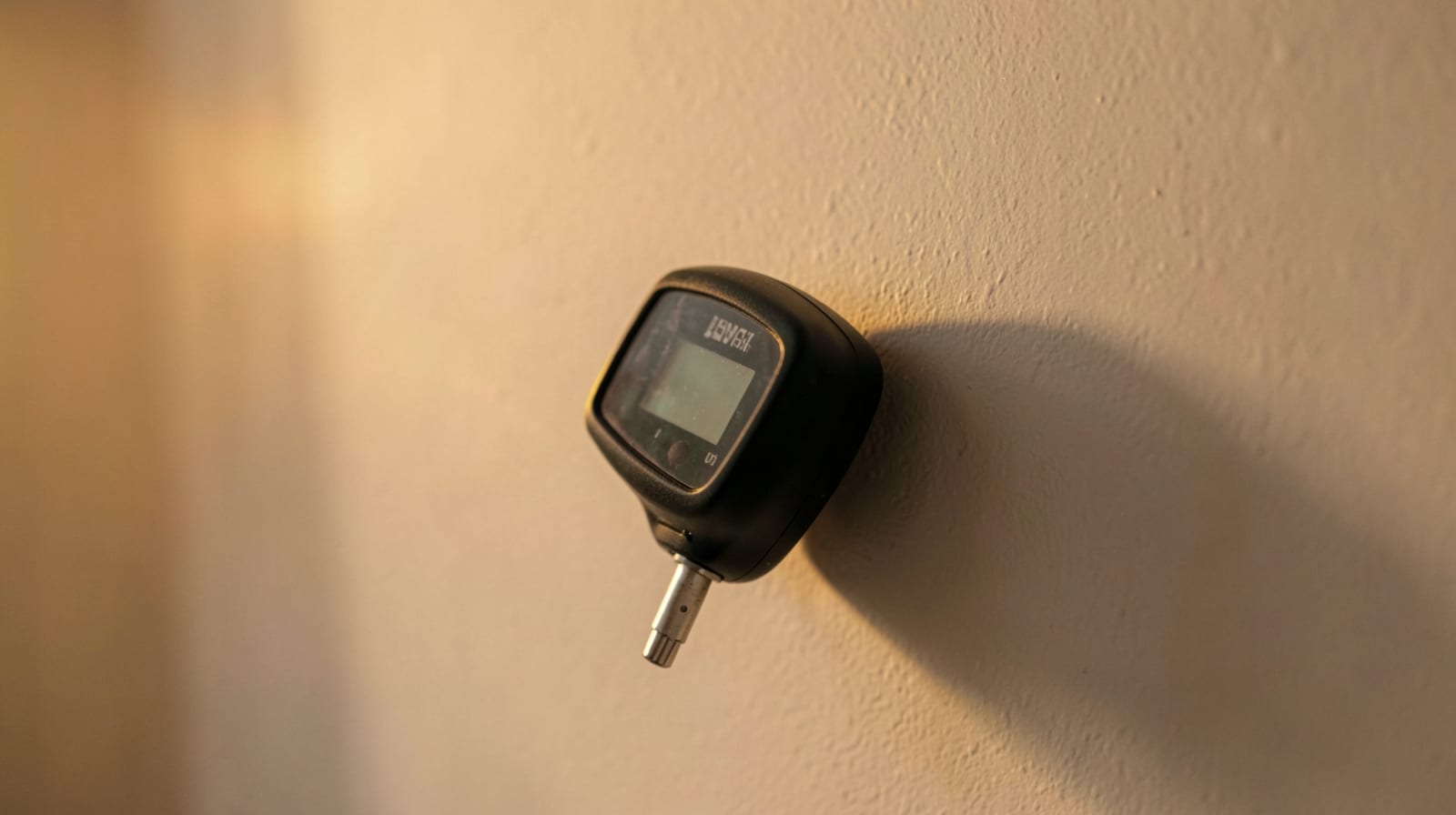
Mold Inspection in Fort Lauderdale, FL
Mold inspection in Fort Lauderdale, FL — a visual and moisture-meter assessment that finds the source of growth, not just the visible spot on the wall.
Learn More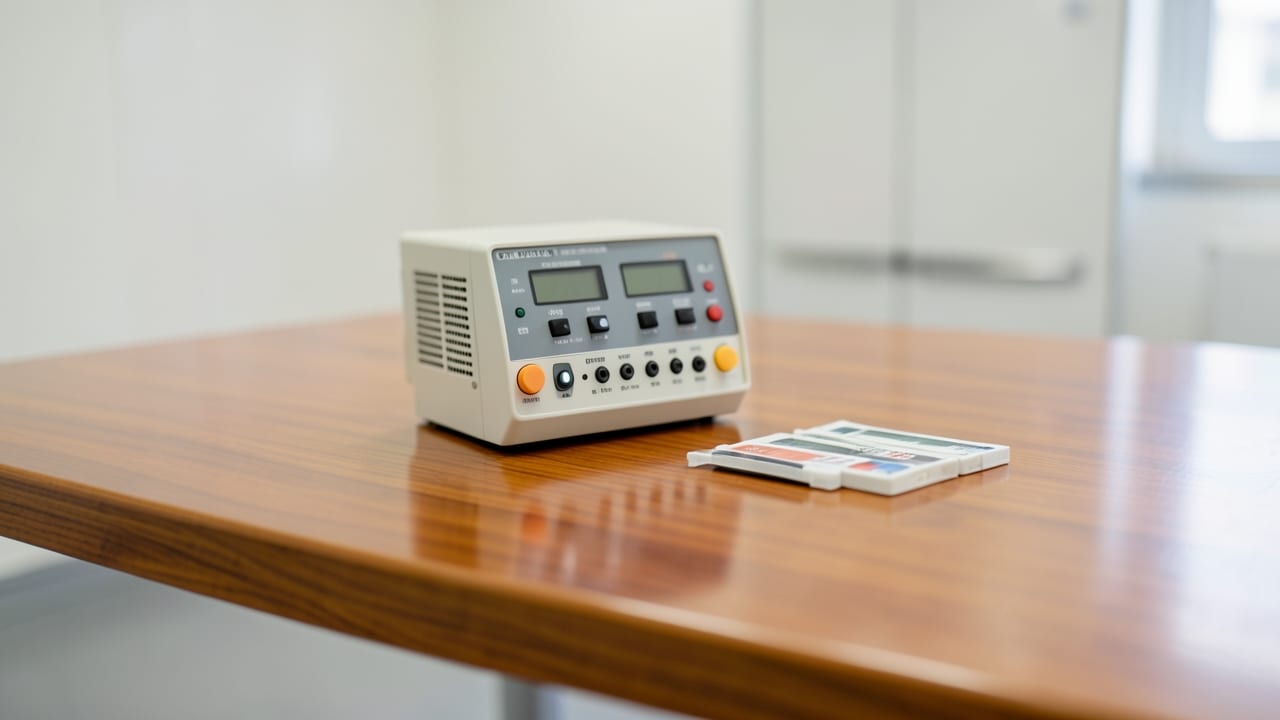
Mold Testing & Air Quality Testing in Fort Lauderdale, FL
Mold and indoor air quality testing in Fort Lauderdale, FL — lab-analyzed air and surface samples confirm what's actually growing and whether it's airborne.
Learn MoreCommon Questions About Mold Remediation in Fort Lauderdale
Everything you need to know about mold remediation services in Fort Lauderdale
How much does Fire Smoke Mold Remediation typically cost in Fort Lauderdale, FL?
Why does Fort Lauderdale, FL's humidity make mold a bigger risk than in drier regions?
What's the actual difference between mold removal and mold remediation?
Is a final clearance test part of a typical mold remediation job?
How does mold remediation actually prevent the problem from coming back?
Can mold growing inside HVAC ductwork spread to the rest of a home?
Need Mold Remediation in Fort Lauderdale?
Connect with local providers in Fort Lauderdale for a detailed quote.
⏰ We answer your call • Serving all of Fort Lauderdale and surrounding areas