Post-Remediation Sealing
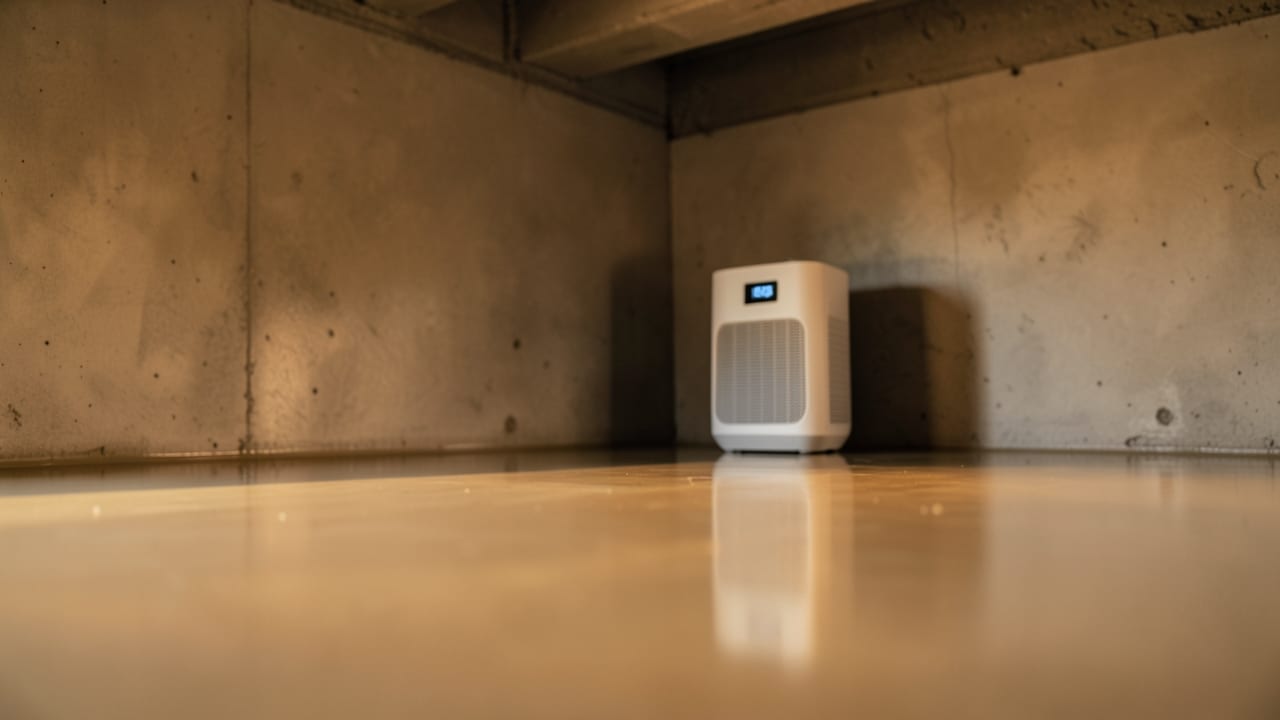
Applying protective sealants to surfaces after mold remediation to prevent future growth.
After mold remediation in Fort Lauderdale, post-remediation sealing creates a protective barrier on treated surfaces to prevent future growth. This critical step involves specialized coatings that block moisture absorption, ensuring the hard work of removal isn’t undone by hidden dampness.
Proper sealing is especially important in Florida’s humid climate, where residual moisture can quickly lead to regrowth if left unchecked.
We also handle Drywall Mold Remediation and Bathroom Mold Removal for Fort Lauderdale properties.
When sealing is absolutely necessary
Post-remediation sealing isn’t just a final step—it’s a safeguard against recurrence. If mold has covered more than a small patch (Florida’s threshold for professional intervention is 25 contiguous square feet), or if growth keeps returning after cleaning, sealing is non-negotiable.
Hidden mold behind walls or under flooring, often signaled by a musty odor that worsens with HVAC use, also demands sealing to prevent spores from spreading through ductwork.
Even after visible mold is gone, stagnant air in windowless rooms or persistent dampness from poor airflow (like in closets or basements) can trigger regrowth. Sealing these areas—paired with fixes like fans or dehumidifiers—creates a long-term barrier against moisture, the root cause of mold.
Signs You Need Post-Remediation Sealing
- Mold covers 25+ square feet of surface area (Florida’s professional intervention threshold).
- Visible mold returns within months after cleaning, even after surface treatment.
- A musty odor persists or worsens when HVAC runs, suggesting hidden growth in walls/ducts.
- The affected area stays damp or poorly ventilated (e.g., windowless bathroom, closet, or basement corner).
- You’ve already had multiple rounds of cleaning without fixing the moisture source (leaks, condensation, grading).
What affects cost and timeline
The cost of sealing depends on the square footage treated, the type of coating used (basic vapor barrier vs. full encapsulation), and whether additional work—like structural drying or moisture-source repairs—is required.
In Fort Lauderdale, sealing typically ranges from $5 to $10 per square foot, but this varies based on accessibility (e.g., sealing behind drywall adds labor time) and whether the job includes containment or clearance testing.
Timing hinges on two factors: drying the structure (industrial dehumidifiers may run for days to reach safe moisture levels) and clearance testing (required by Florida law before sealing). Rushing either step risks regrowth, so schedules account for thorough drying and independent lab verification—neither of which can be skipped.
Florida’s strict rules on mold work
Florida law (Chapter 468, Part XVI) separates mold assessment and remediation to prevent conflicts of interest: the same company cannot both identify mold and remediate it within 12 months. This means if your initial inspection was done by a remediation company, a different licensed remediator must handle the sealing.
Always verify a contractor’s DBPR license for mold remediation—Florida issues two distinct licenses (assessor and remediator), and mixing them violates state rules.
Post-remediation sealing must follow containment protocols (plastic sheeting + negative air) to avoid spreading spores during the process. Skipping containment or using non-HEPA equipment (like standard shop vacuums) recirculates spores instead of capturing them, turning a contained job into a larger infestation.
Florida’s rules also require independent clearance testing before sealing is complete—this confirms spore levels are back to normal.
Avoid estimates that: exclude containment/clearance testing, lack a written scope of work, or pressure you to sign during the inspection. Florida mandates third-party clearance testing—without it, there’s no proof the sealing actually worked.
How post-remediation sealing works
- 1Containment Setup
The work area is sealed off with plastic sheeting and negative-air machines to trap spores during sealing. This prevents cross-contamination into unaffected rooms, especially critical in homes with HVAC systems that could spread spores throughout the house.
- 2Surface Preparation
Treated surfaces (walls, framing, subfloors) are cleaned and dried to ≤60% relative humidity using industrial dehumidifiers. Any residual moisture would undermine the sealant’s effectiveness, leading to regrowth.
- 3Application of Sealant
Specialized coatings (epoxy, encapsulants, or vapor barriers) are applied to create a moisture-resistant barrier. Porous materials (like drywall) may require full encapsulation, while non-porous surfaces (tile, metal) get a protective seal.
- 4Clearance Testing
Before sealing is complete, an independent lab tests air and surfaces for mold spores. Only when results confirm safe levels does the containment come down, and the area is considered remediated.
- 5Moisture Source Fix
Sealing alone won’t prevent recurrence if the original moisture issue (leaks, poor grading, condensation) persists. Fixing this source—often with repairs like regrading or installing dehumidifiers—is the final step to ensure long-term protection.
Frequently asked questions
My mold kept coming back after cleaning—will sealing fix it?
Sealing alone won’t stop regrowth if the moisture source (like a leak or high humidity) isn’t addressed. The sealing creates a barrier, but fixing leaks, improving airflow, or adjusting grading is essential to prevent future mold. Always pair sealing with moisture-source repairs.
Do I need sealing if the mold was only on non-porous surfaces (like tile or metal)?
Yes. Even non-porous surfaces can harbor spores in microscopic crevices. Sealing these areas prevents spores from spreading to adjacent porous materials (like drywall) during future moisture exposure. Florida’s humid climate makes this step critical.
How long does the sealing process take?
Sealing itself is quick, but drying the structure (often 2–5 days with dehumidifiers) and clearance testing (1–3 days for lab results) add time. Rushing these steps risks incomplete sealing or missed regrowth, so timelines prioritize thorough drying and verification.
Can I seal over mold myself instead of hiring a pro?
DIY sealing isn’t recommended for mold in Florida. Proper sealing requires HEPA-grade equipment, containment protocols, and clearance testing—steps that DIYers often skip. Florida law also mandates licensed remediators for jobs over 25 sq ft, and improper sealing can trap moisture, worsening the problem.
Where Fort Lauderdale sits, and what the Census lists nearby
Fort Lauderdale sits in Florida, and the closest places listed in the U.S. Census Gazetteer are Lazy Lake (1 miles north), Wilton Manors (1.3 miles north), Franklin Park (1.9 miles west), Roosevelt Gardens (2.1 miles west).
Within 25 miles of Fort Lauderdale the same source lists 73 distinct incorporated places and census-designated places.
Those figures matter for post-remediation sealing because they are straight-line distances between Census coordinate points: road mileage between Fort Lauderdale and Lazy Lake runs longer than the 1 miles shown, which is why quotes for the same job differ between towns that look close together on a map.
Source: U.S. Census Bureau Gazetteer.
See Lighthouse Point, FL for more, or take a look at what we cover for Fort Lauderdale properties on a single page for our complete lineup.
Ready to get started?
Talk to a local mold remediation pro in Fort Lauderdale — get a written quote.
Other Mold Remediation Services in Fort Lauderdale
Drywall Mold Remediation in Fort Lauderdale, FL
Professional removal and treatment of mold growth behind or on drywall surfaces.
Learn More
Bathroom Mold Removal in Fort Lauderdale, FL
Professional assessment and removal of mold in bathrooms to restore a safe, clean environment.
Learn More
Kitchen Mold Cleanup in Fort Lauderdale, FL
Professional assessment and removal of mold in kitchen areas to restore a safe, clean environment.
Learn More
Carpet Mold Treatment in Fort Lauderdale, FL
Professional assessment and removal of mold growth from carpets to restore a safe indoor environment.
Learn More
Concrete Mold Remediation in Fort Lauderdale, FL
Professional removal and treatment of mold from concrete surfaces in homes.
Learn More
Garage Mold Removal in Fort Lauderdale, FL
Professional assessment and removal of mold growth in garages to restore a safe, clean space.
Learn MoreCommon Questions About Mold Remediation in Fort Lauderdale
Everything you need to know about mold remediation services in Fort Lauderdale
How much does Post-Remediation Sealing typically cost in Fort Lauderdale, FL?
Why does Fort Lauderdale, FL's humidity make mold a bigger risk than in drier regions?
Is a final clearance test part of a typical mold remediation job?
How does mold remediation actually prevent the problem from coming back?
Can mold growing inside HVAC ductwork spread to the rest of a home?
Does mold mean the same thing as mildew?
Need Mold Remediation in Fort Lauderdale?
Connect with local providers in Fort Lauderdale for a detailed quote.
⏰ We answer your call • Serving all of Fort Lauderdale and surrounding areas