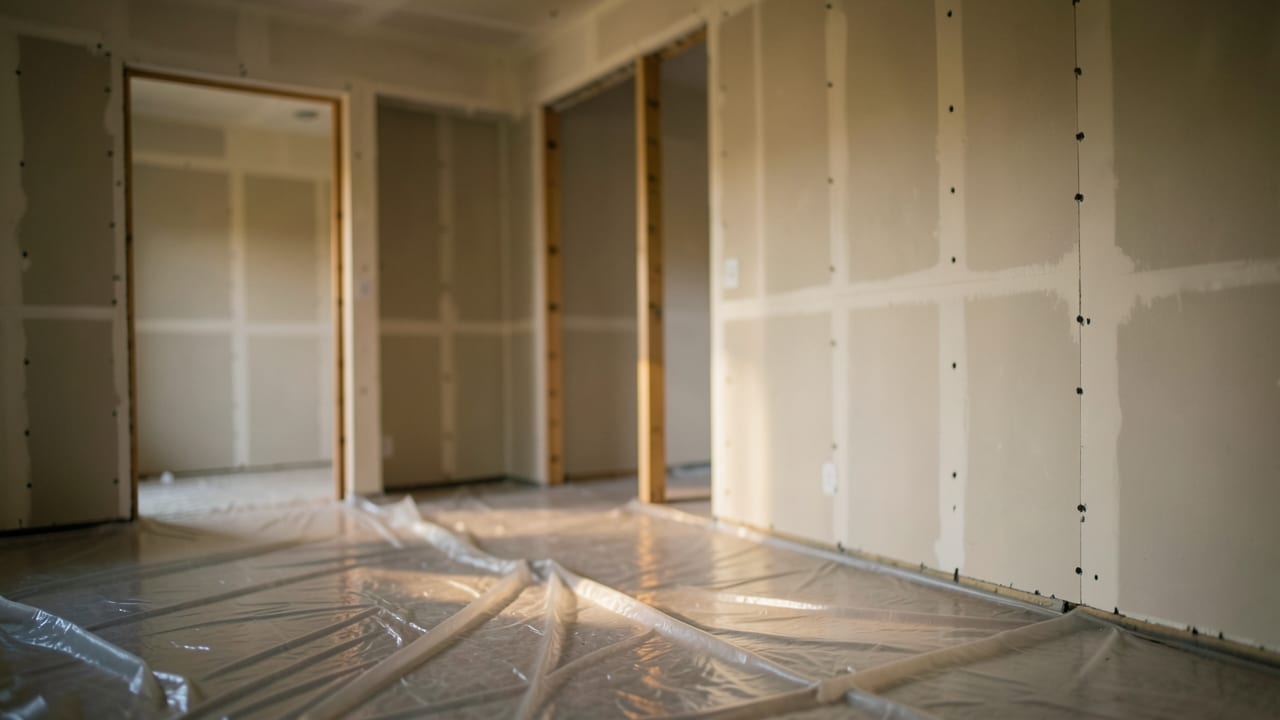
New Construction Mold Remediation
Professional mold removal and prevention in newly built homes to ensure safe, clean living spaces.
New construction mold remediation in Fort Lauderdale addresses hidden mold growth in recently built homes, often caused by trapped moisture during construction. This service includes containment, removal, and drying to restore air quality and prevent structural damage, ensuring your home stays safe and healthy for your family.
When is new construction mold remediation needed?
Mold in new construction often goes unnoticed until it spreads beyond a DIY fix. Look for visible growth covering more than 25 contiguous square feet, recurring mold in the same spot after cleaning, or a persistent musty smell with no visible source.
We also handle Ceiling Mold Removal and School Mold Remediation for Fort Lauderdale properties.
These signs indicate a deeper moisture issue that requires professional intervention.
Hidden mold—behind walls, under flooring, or inside HVAC ducts—can worsen if ignored. A musty odor that intensifies when the HVAC runs or damp rooms like windowless bathrooms or basements are red flags. Without proper remediation, mold can compromise indoor air quality and structural integrity over time.
Signs You Need Professional Mold Remediation
- Mold covering more than 25 square feet in a single area
- Recurring mold growth after cleaning the same spot multiple times
- A musty smell with no visible mold, especially when HVAC is running
- Damp or humid rooms that stay persistently moist (e.g., windowless bathrooms, basements)
- Visible mold in multiple rooms or hidden behind walls/flooring
How mold remediation protects your home
Proper remediation isn’t just about removing mold—it’s about preventing it from returning. Containment, HEPA filtration, and structural drying ensure spores don’t spread to unaffected areas, while fixing the moisture source stops regrowth. Without these steps, mold can reappear within months, often worse than before.
Florida law requires mold assessors and remediators to be separate entities for the same property within 12 months, preventing conflicts of interest. This ensures an unbiased assessment before remediation begins, giving you confidence the job is done right.
What to watch for in a remediation quote
Not all quotes cover the same work. A low estimate might exclude containment, clearance testing, or fixing the moisture source—all critical steps to prevent recurrence. Always ask whether the quote includes inspection, remediation, and third-party clearance testing, as well as whether the moisture issue will be addressed.
Avoid contractors who rush you into signing a contract during the inspection or demand full payment upfront. A legitimate scope of work takes time to prepare, and upfront payment removes accountability if the job isn’t completed as promised.
| Red Flag in a Quote | Why It’s Risky |
|---|---|
| No mention of containment or clearance testing | Spores may spread to unaffected areas, and you won’t know if the job worked |
| Vague area estimates (e.g., ‘whole basement’ instead of square footage) | Makes it impossible to compare bids fairly |
| Pressure to sign during the inspection visit | Legitimate scopes take time to prepare—rushing skips your chance to compare options |
| Full payment requested before work starts | Removes leverage if the job isn’t completed as scoped |
How new construction mold remediation works
This process ensures mold is removed safely and doesn’t return.
- 1Containment Setup
Plastic sheeting and negative-air machines seal the affected area to prevent spores from spreading to other rooms during removal. This step is critical—even a small tear in the containment can turn a contained job into a larger infestation.
- 2Mold Removal and Material Replacement
Porous materials like drywall and insulation, which absorb mold, are cut out and bagged. Non-porous surfaces like framing and tile are scrubbed and treated. HEPA-filtered vacuums and air scrubbers run continuously to capture airborne spores.
- 3Structural Drying
Industrial dehumidifiers and air movers dry framing and subfloors to normal moisture levels before the space is closed up. Mold regrows on damp material, so this step is essential to prevent recurrence.
- 4Clearance Testing
An independent third-party lab tests air or surfaces post-remediation to confirm spore counts are back to normal. This step ensures the job is truly complete and the space is safe to reoccupy.
- 5Moisture Source Fix
The root cause—like a leak, condensation, or grading issue—must be addressed. Without fixing the source, mold will return within months, often in the same spot.
Frequently asked questions
My new home has a musty smell but no visible mold. Should I still get it checked?
Yes. A musty odor often means hidden mold behind walls, under flooring, or inside ducts. Without professional inspection, the problem can worsen, leading to structural damage and poor indoor air quality.
I cleaned some mold myself, but it keeps coming back. What does that mean?
Recurring mold in the same spot usually means the moisture source (like a leak or condensation) wasn’t fixed. Surface cleaning alone doesn’t solve the problem—professional remediation addresses both the mold and the cause.
How long does the remediation process take for a new construction home?
Timing varies by the size of the affected area and moisture levels, but containment, removal, drying, and testing typically take 3–7 days. Complex cases with hidden mold or large areas may require longer.
Do I need to leave the house during remediation?
Yes. Containment keeps spores from spreading, but the work area is sealed off, and air quality may be compromised. You’ll need to relocate temporarily for safety.
Where Fort Lauderdale sits, and what the Census lists nearby
Fort Lauderdale sits in Florida, and the closest places listed in the U.S. Census Gazetteer are Lazy Lake (1 miles north), Wilton Manors (1.3 miles north), Franklin Park (1.9 miles west), Roosevelt Gardens (2.1 miles west).
Within 25 miles of Fort Lauderdale the same source lists 73 distinct incorporated places and census-designated places.
Those figures matter for new construction mold remediation because they are straight-line distances between Census coordinate points: road mileage between Fort Lauderdale and Lazy Lake runs longer than the 1 miles shown, which is why quotes for the same job differ between towns that look close together on a map.
Source: U.S. Census Bureau Gazetteer.
See Pembroke Park, FL for more, or check out our full Fort Lauderdale-area coverage on a single page for our complete lineup.
Ready to get started?
Talk to a local mold remediation pro in Fort Lauderdale — get a written quote.
Other Mold Remediation Services in Fort Lauderdale
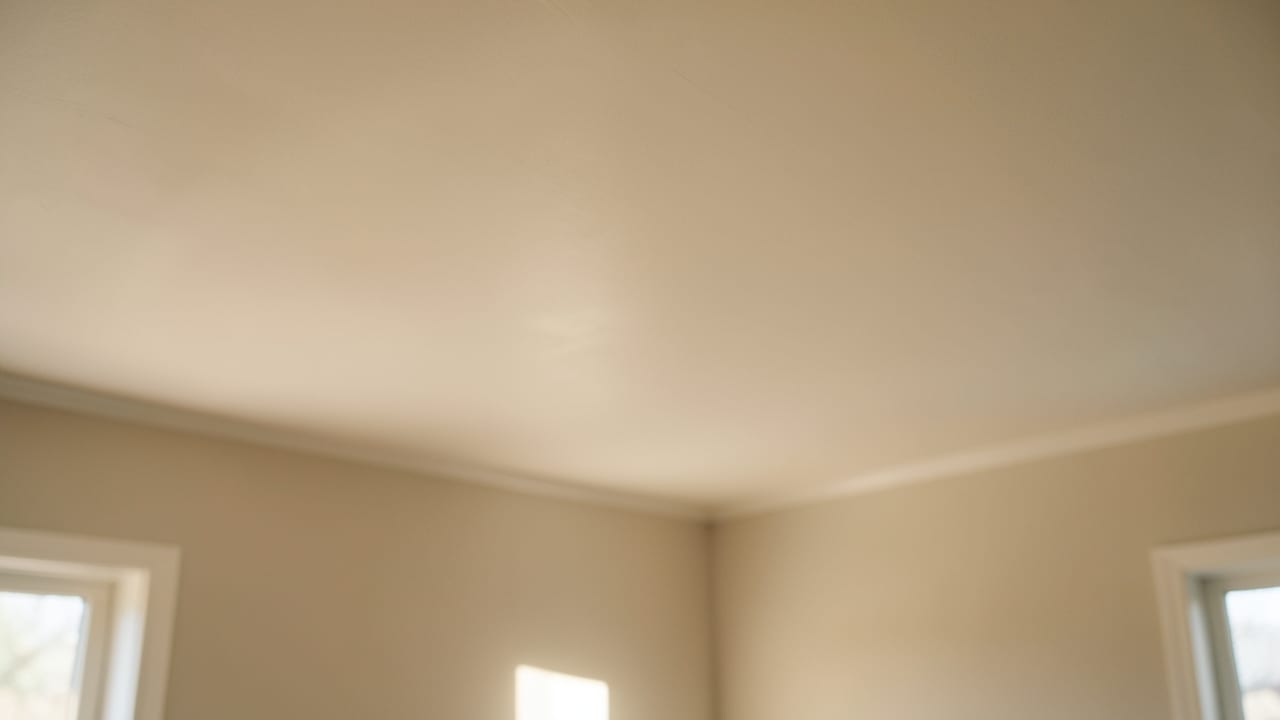
Ceiling Mold Removal in Fort Lauderdale, FL
Professional removal of mold growth from ceilings, including containment and cleanup.
Learn More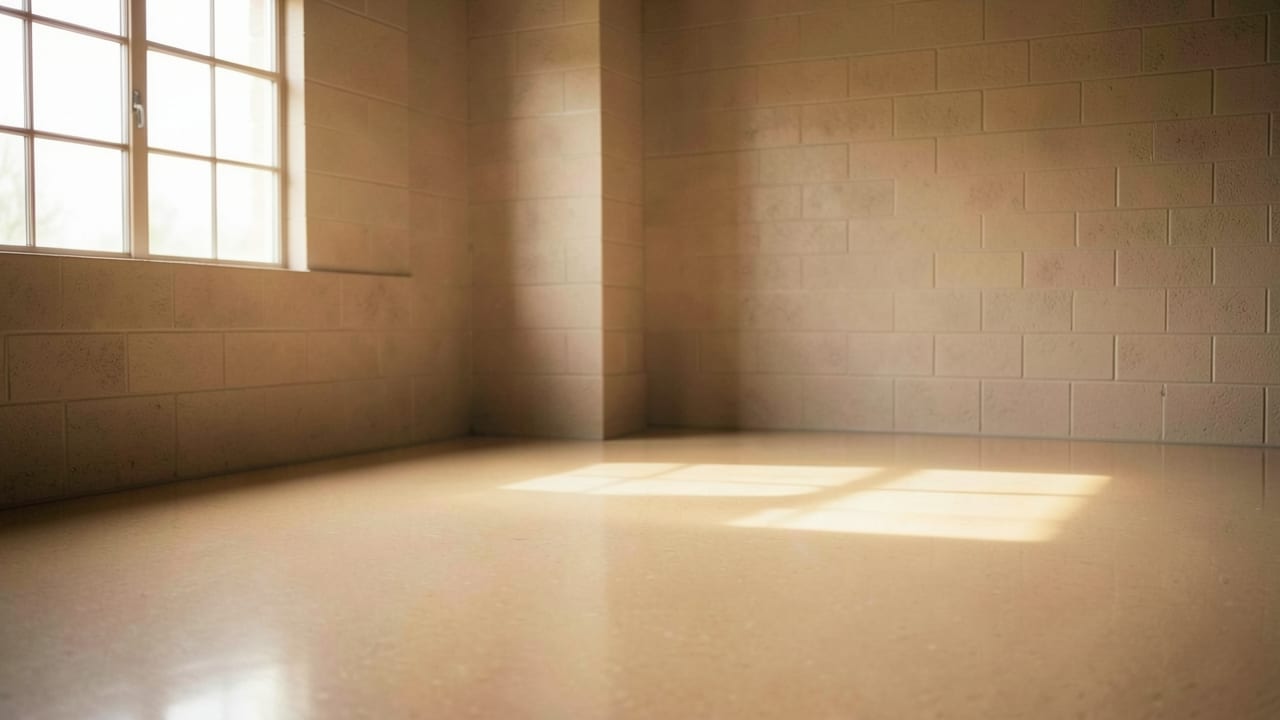
School Mold Remediation in Fort Lauderdale, FL
Professional mold removal and remediation in schools to ensure a safe, healthy environment.
Learn More
Hospital Mold Removal in Fort Lauderdale, FL
Professional assessment and removal of mold in hospitals to ensure a safe, healthy environment.
Learn More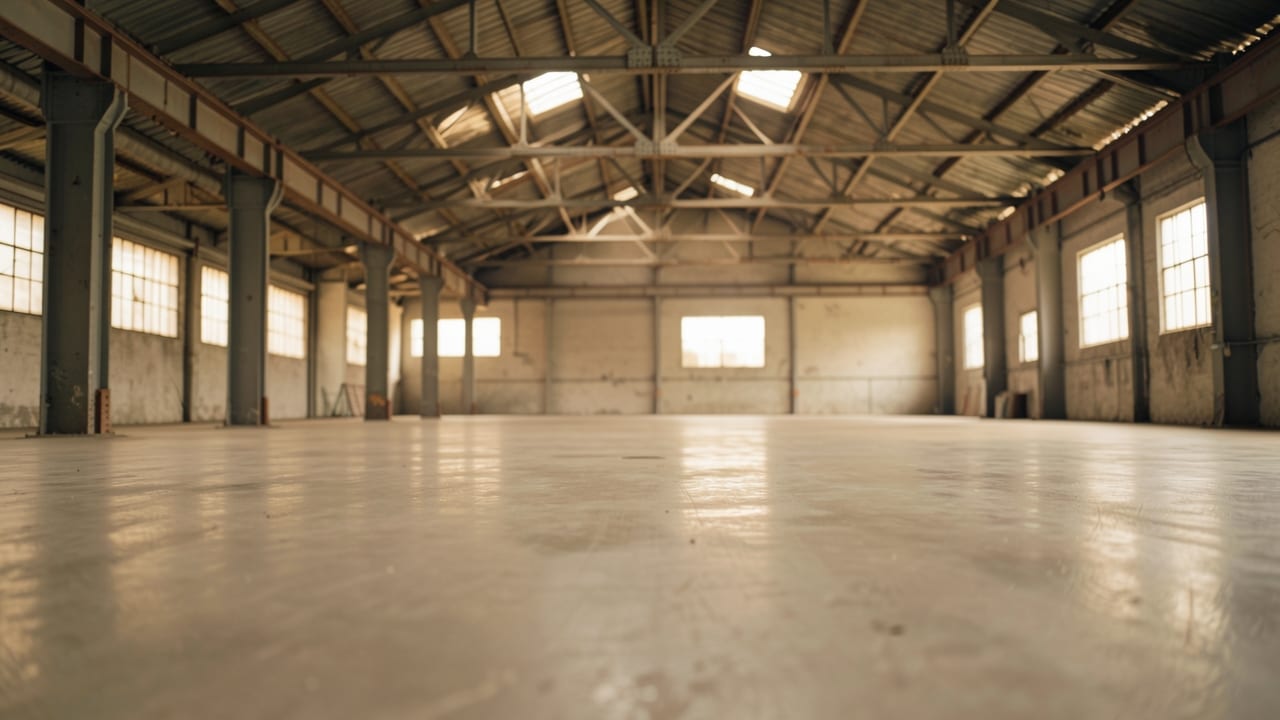
Warehouse Mold Cleanup in Fort Lauderdale, FL
Professional removal of mold from warehouse spaces to restore safe, clean conditions.
Learn More
Wood Furniture Mold Remediation in Fort Lauderdale, FL
Professional removal and treatment of mold from wood furniture to restore safety and appearance.
Learn More
Tile & Grout Mold Cleanup in Fort Lauderdale, FL
Professional removal of mold from tile and grout surfaces in bathrooms, kitchens, and other tiled areas.
Learn MoreCommon Questions About Mold Remediation in Fort Lauderdale
Everything you need to know about mold remediation services in Fort Lauderdale
How much does New Construction Mold Remediation typically cost in Fort Lauderdale, FL?
Why does Fort Lauderdale, FL's humidity make mold a bigger risk than in drier regions?
Does mold mean the same thing as mildew?
Does homeowners insurance typically cover mold remediation?
Is black mold actually more dangerous than other mold types?
How long does a typical mold remediation job take?
Need Mold Remediation in Fort Lauderdale?
Connect with local providers in Fort Lauderdale for a detailed quote.
⏰ We answer your call • Serving all of Fort Lauderdale and surrounding areas